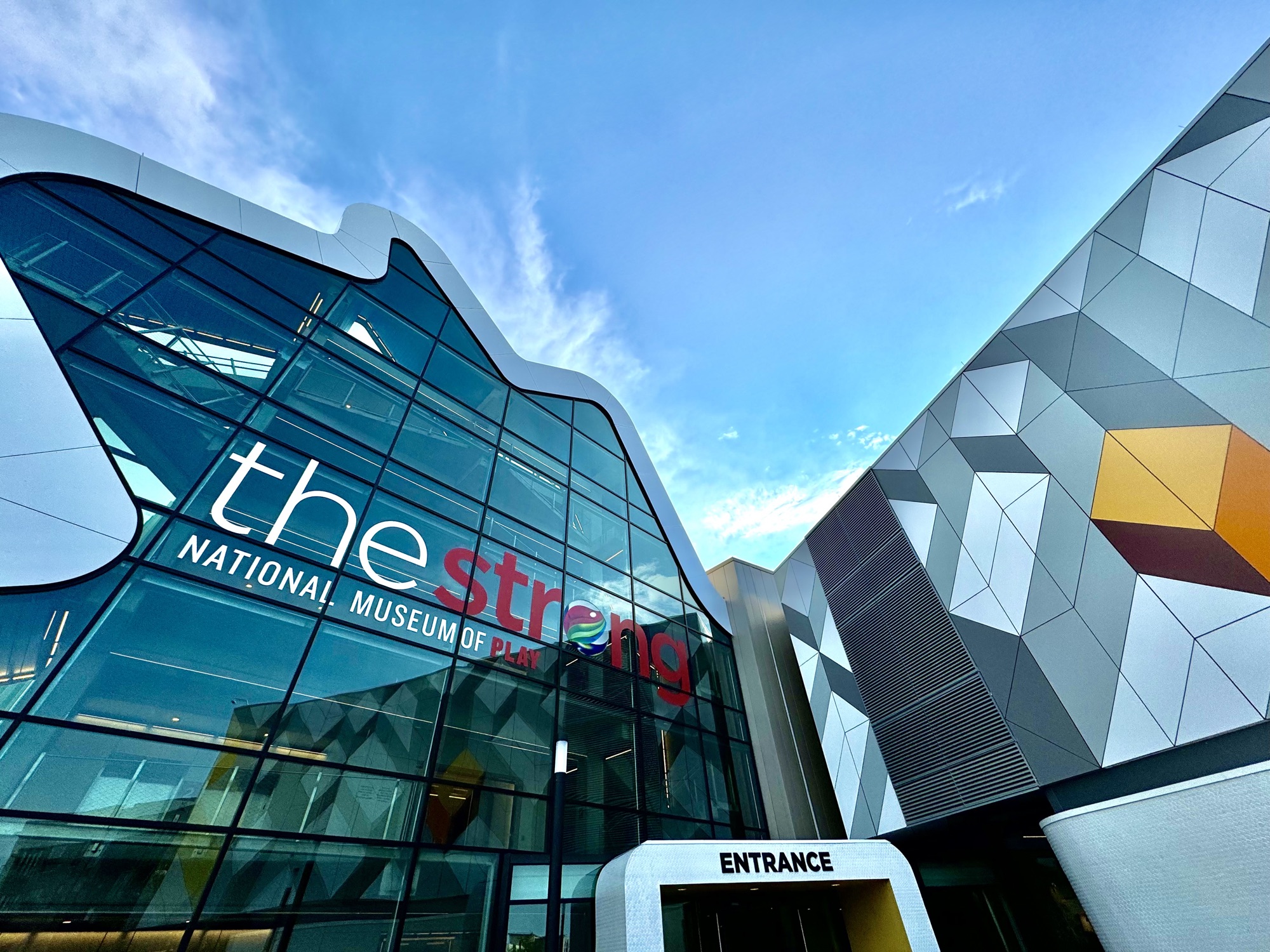
Last month I flew from Tasmania to Rochester, New York, for NarraScope 2024. It ran from 21 to 23 June at The Strong National Museum of Play. NarraScope is a conference about narrative games and interactive fiction, and I had a great time.
What I did there
I ran a workshop, Learn the Basics of Writing Branching Narratives with Yarn Spinner, on the Friday. About 40 people came. It covered branching, variables, jumps and commands in Yarn Spinner, and finished with how to hook a Yarn story into Unity or Godot. I also gave a seminar on using Yarn Spinner for narrative, which about 80 people attended. The people in both rooms ranged from students and solo writers to narrative leads at big studios, and a lot of the questions were about fitting Yarn Spinner into the tools and processes they already use.
The keynote
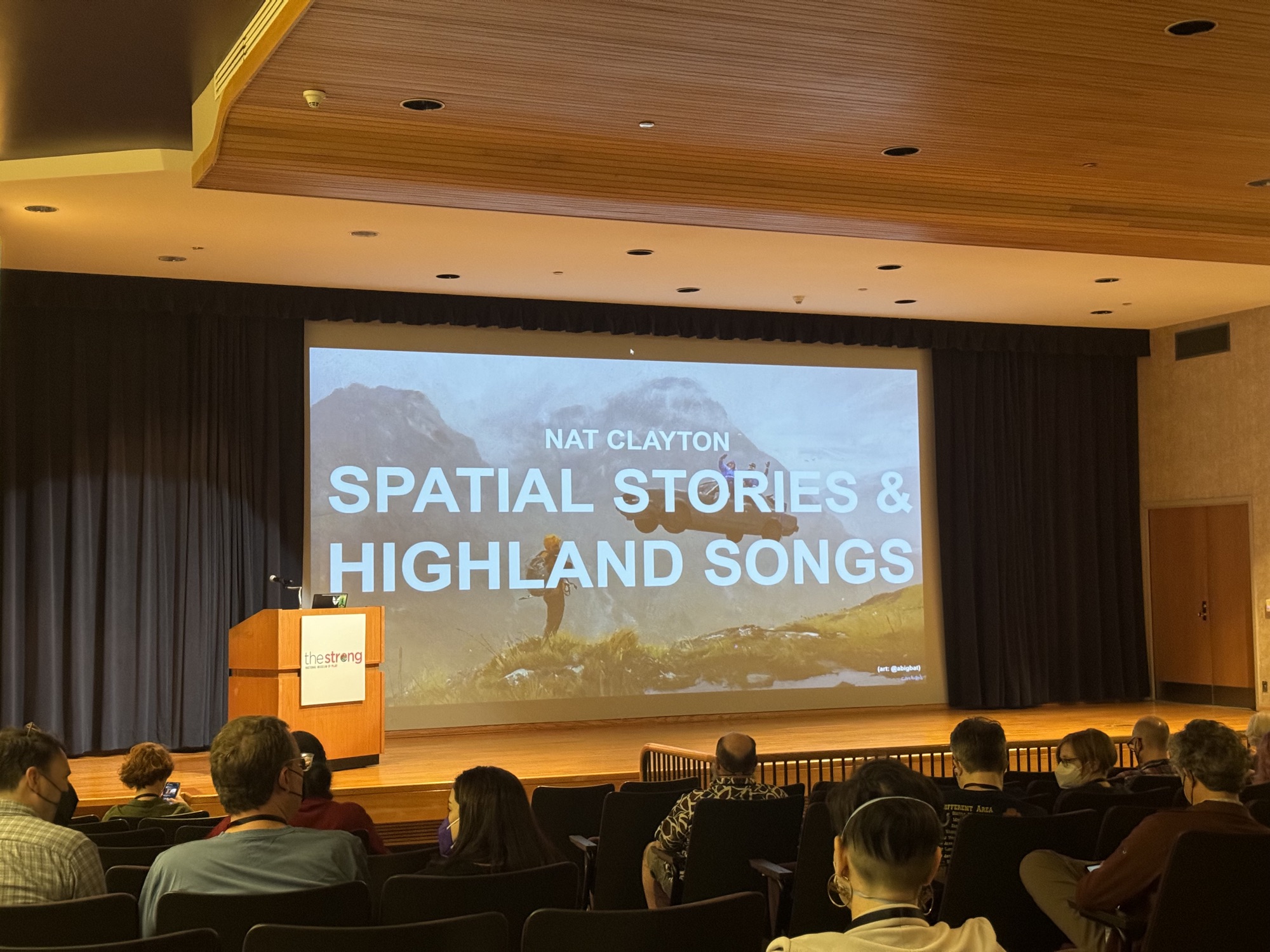
Nat Clayton gave the keynote, Spatial Tales and Highland Songs. Nat worked with inkle on A Highland Song, and the talk was about how they used the shape of the landscape and the levels to tell the story, alongside the writing. It was a banger.
Talks I liked
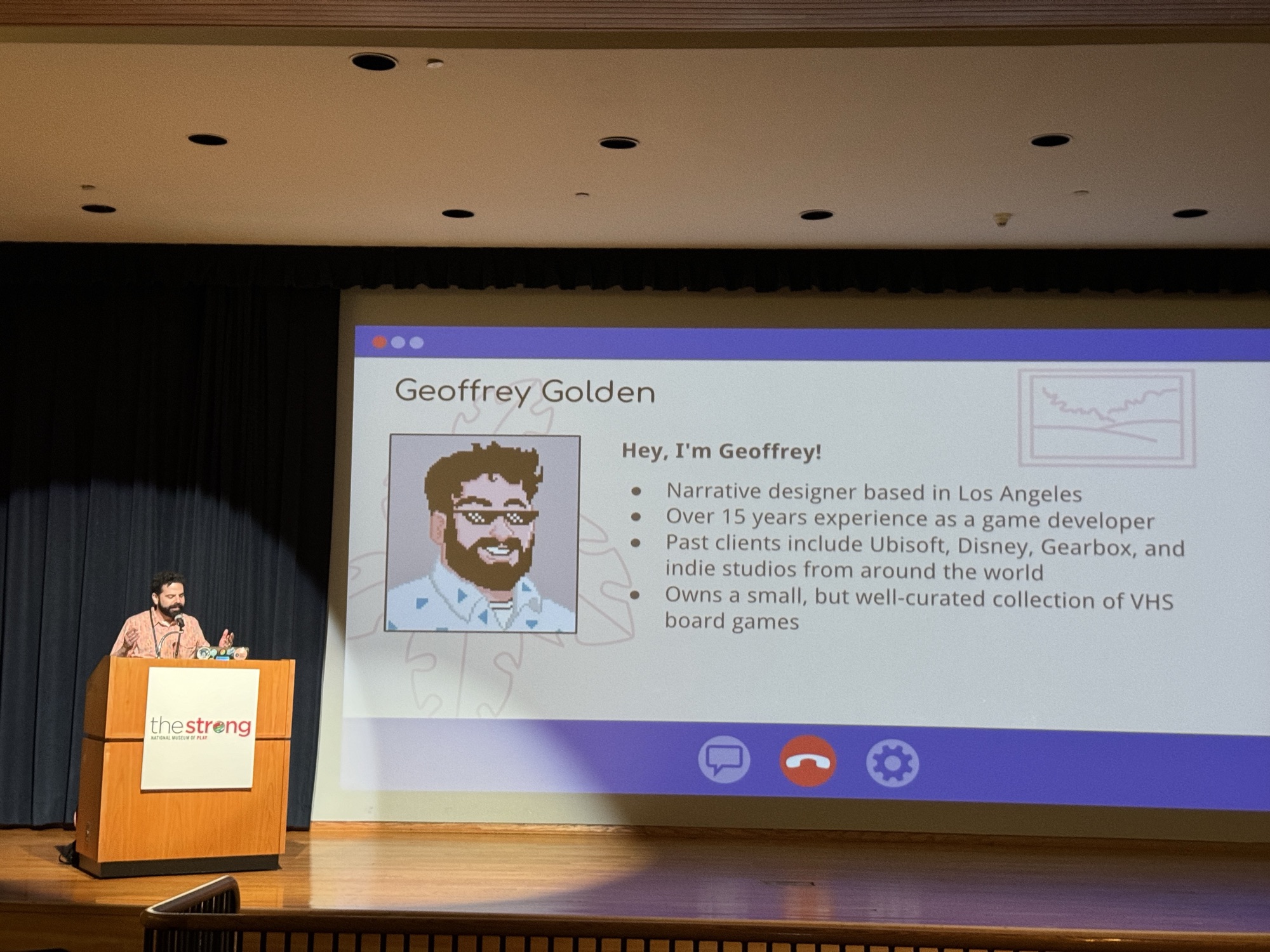
nilson carroll’s AI is Obsolete: Generative Glitch Narratives came out of years of corrupting game ROMs on purpose and treating the results as art. Geoffrey Golden’s First Person Talkers: Simulating Conversation was about writing in-game conversations that feel like talking to a person. Brendan Desilets and Colin Post’s Interactive Fiction in the Library covered how libraries use interactive fiction for literacy work and community programs.
The demo room
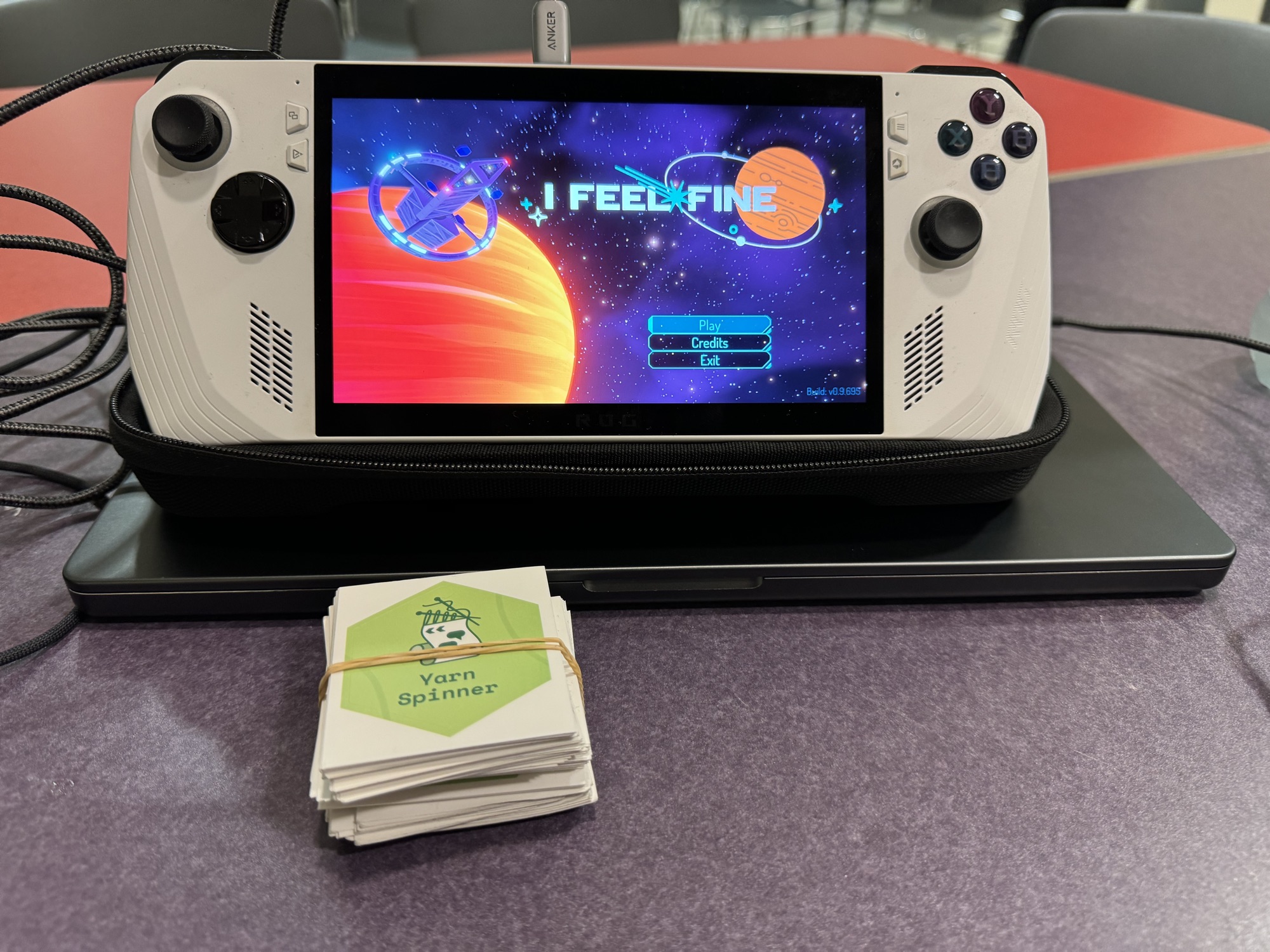
The demo room was open on Saturday and Sunday, and I spent a lot of time there. You could play a new narrative game or try a tool, then talk to whoever made it. I brought I Feel Fine, one of our games, on a handheld, plus a pile of Yarn Spinner stickers. People played it over the two days.
All the talks were streamed live for people who couldn’t travel. I also went to a few of the Birds-of-a-Feather sessions, which are informal group discussions on a set topic.
The Strong is a museum about the history of play. In the breaks people went off into its collections, which include old text adventures.
The Interactive Fiction Technology Foundation
NarraScope is run by the Interactive Fiction Technology Foundation. The IFTF is a non-profit, and it looks after a lot of what interactive fiction runs on. It maintains Twine, which is how a lot of people write their first interactive story. It runs the yearly Interactive Fiction Competition. It hosts the IF Archive, which holds decades of games, along with the IFDB and the IntFiction forum. It also gives grants to people maintaining IF tools. Volunteers do most of this work.
RIT
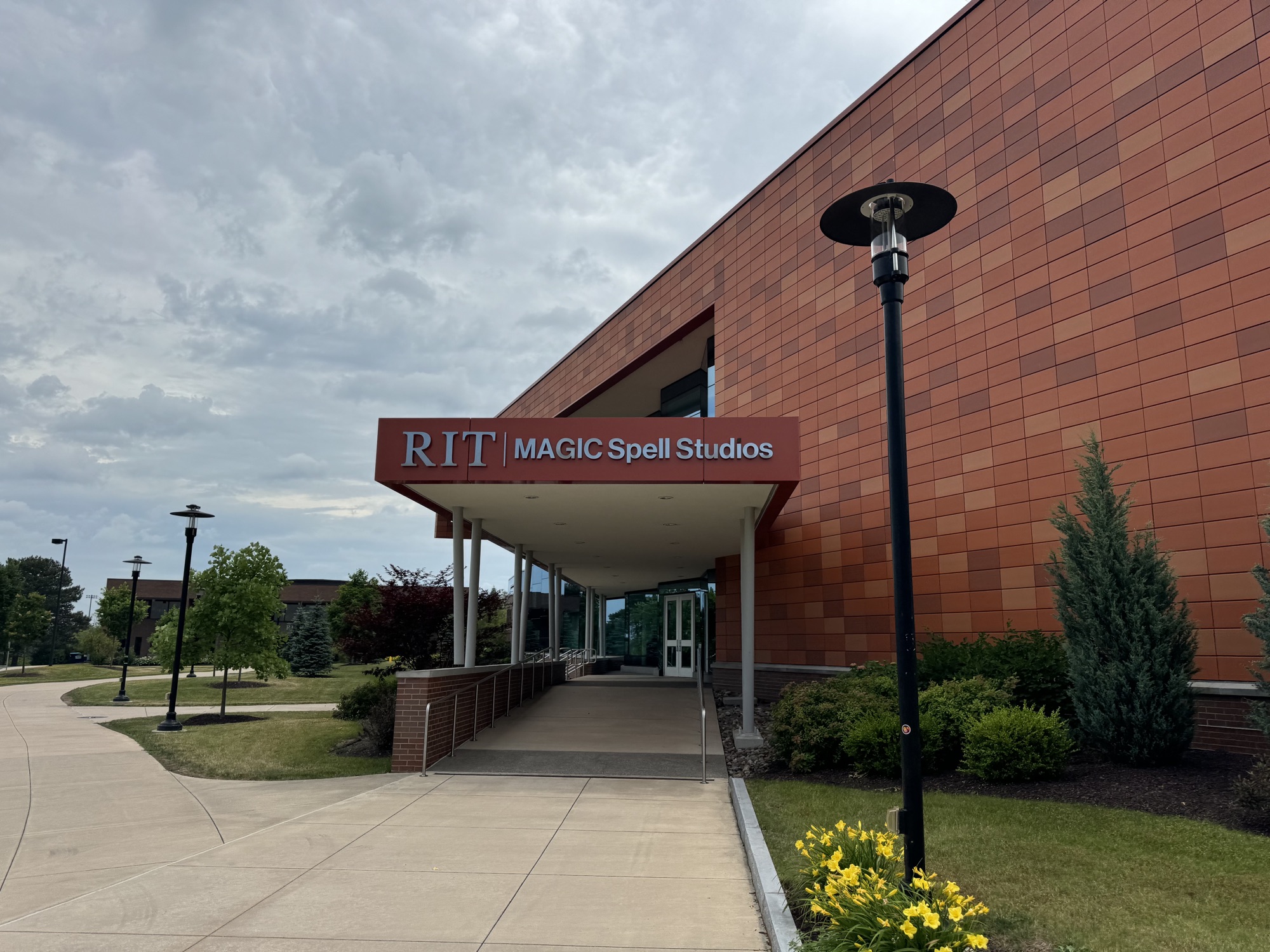
While I was in Rochester, my friend Professor Stephen Jacobs showed me around RIT’s MAGIC Spell Studios. Stephen teaches game design and interactive narrative in RIT’s School of Interactive Games and Media. He’s also a Visiting Scholar at The Strong and has worked on its exhibits.
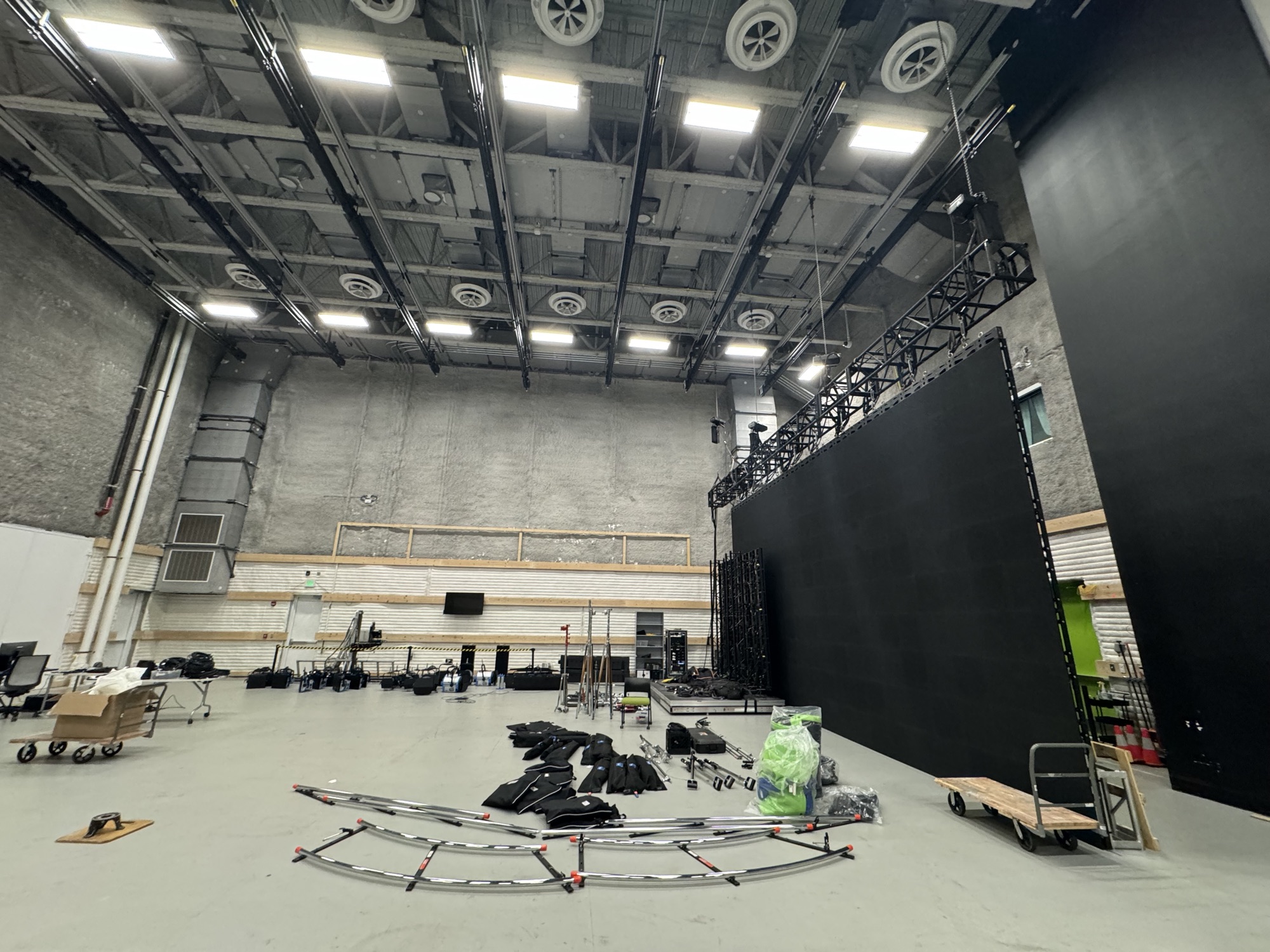
The building has a sound stage with a big LED wall and a lighting grid across the ceiling. When we walked through, someone had laid out curved camera track on the floor.
Next year
Recordings of the talks are going up on the IFTF YouTube channel if you missed it. Thank you to the IFTF and to every volunteer who ran NarraScope. I’m planning to go to NarraScope 2025.
Funding
My trip to NarraScope 2024 was funded by a Regional Arts Fund Quick Response Grant, administered in Tasmania by RANT Arts. This project was made possible by the Australian Government Regional Arts Fund, which supports the arts in regional and remote Australia.